Hitchin
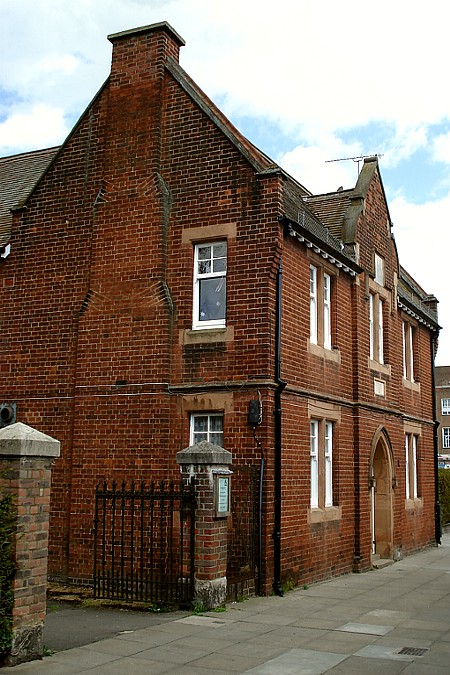
Warner’s Almshouses
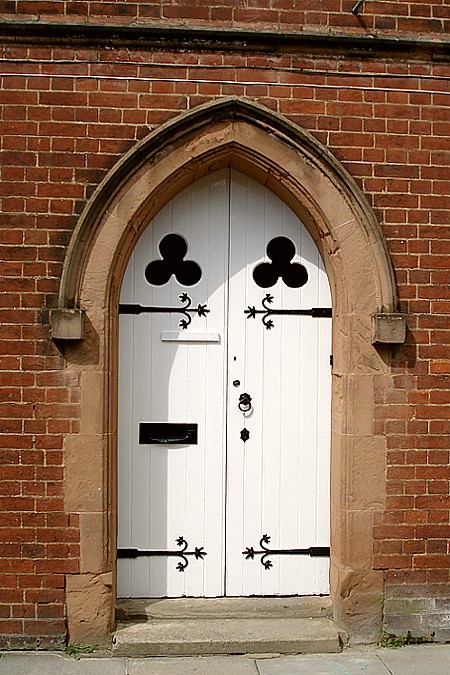
Detail of the rather grand door in to the Warners Almshouses that were originally the parish Poor Houses. Then in 1760, they were rebuilt by Daniel Warner and then again in 1893 (and enlarged too) by funds left by Miss Elizabeth Ann Lucas, formerly of Hitchin who died in 1860. These Almshouses stood (and still stand) within the grounds of St Mary’s Church in the South East corner, by the River Hiz.
Market Place Clock
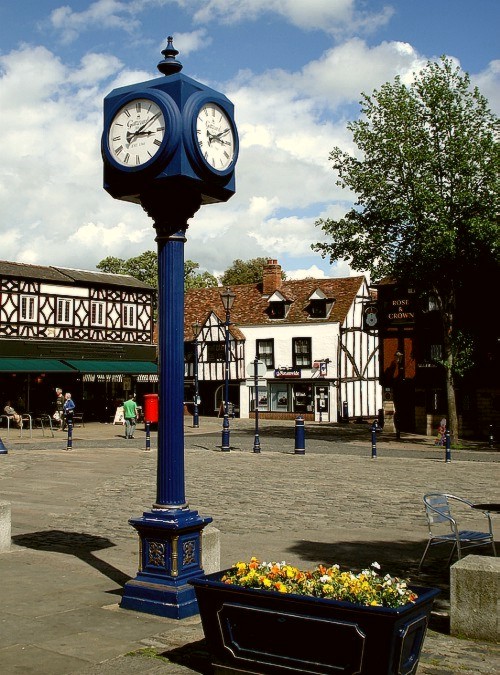
At the very heart of Hitchin and its Market Place, stands a lovely Victorian Style clock donated by Gatwards Of Hitchin (W B Gatward & Sons) in the year 2000 to the town of Hitchin as part of the Millenial celebrations. This company was established in 1760 and is one of England’s oldest family jewellers.
Phillips Antiques in Bancroft
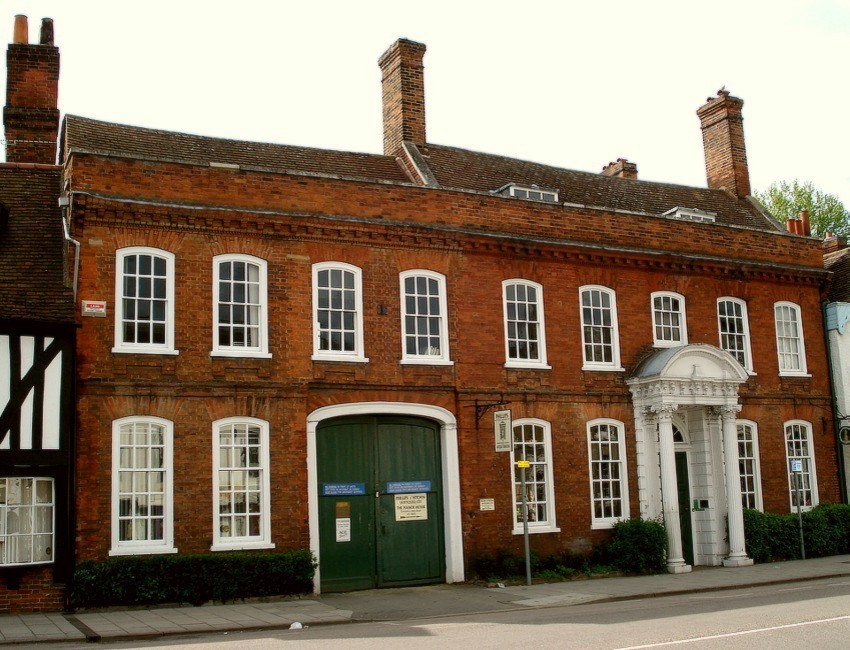
This fine two storey building now houses Phillips Antiques but was from c1700. There are two distinct sections to it on a subtle South/North divide-continuation. The northern side has the wonderful carved wooden porch made c1900; with its Corinthian columns and pilasters and carved modillions on the segmented pediment. The south side has the elliptically arched carriageway. Inside the building are panells brought from elsewhere and a copied staircase. A somewhat grandiose and aspirational building me thinks, but in keeping with the rest of society at that time.
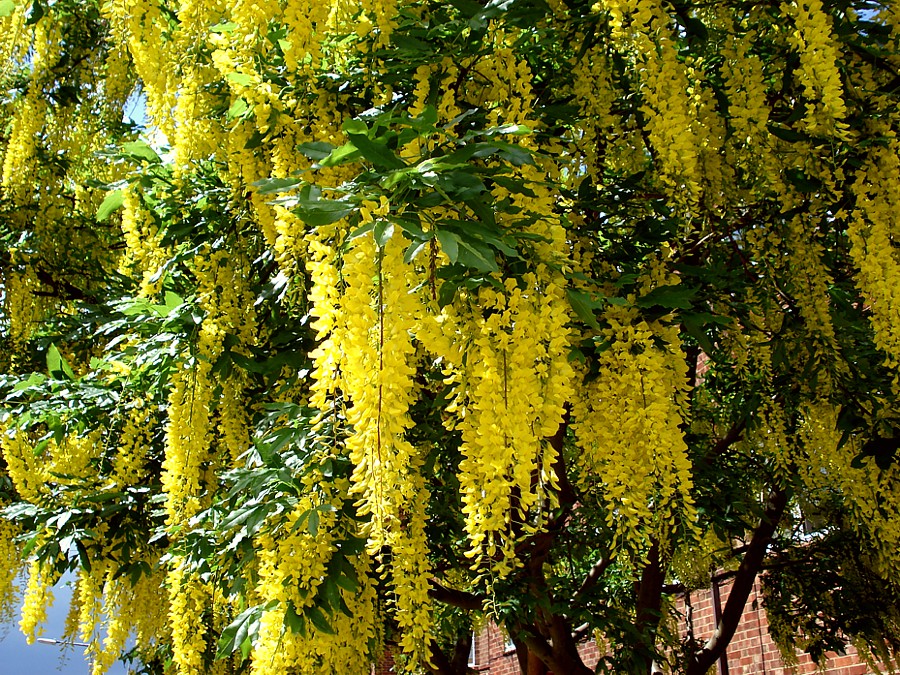
Hollow Lane Laburnum Tree
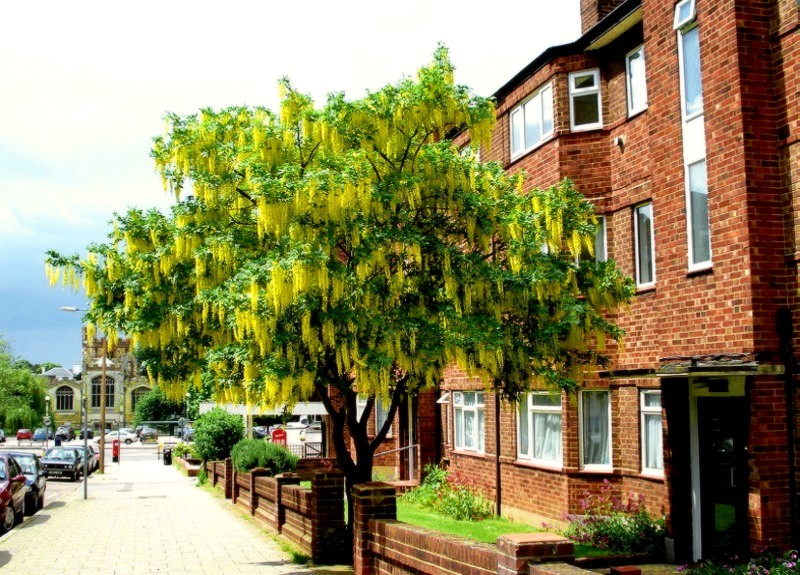
A great day started when I met a wonderful 85 year old elderly lady outside the Garrison Court apartments on Hollow Lane. I had walked past the tree, rubbing its flowers to get the scent and she introduced herself as Muriel and told me that it was a Laburnum Tree and that the seeds were poisonous. I’d had no idea what sort of tree it was and that it had that reputation; only that it looked wonderful. More conversation followed, to find out she is a near neighbour of mine. It transpired that her husband had been a diplomat in China. I learned new things that day, and met a wonderfully vibrant and charming older lady.
The River Hiz at Ransom’s Rec
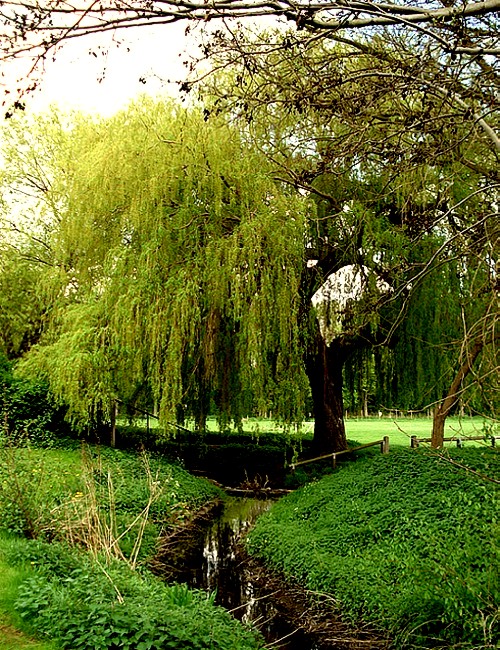
The River Hiz begins in Priory Park/St. Ippolyts and then wends its way through Hitchin and runs northwards bordering the eastern edge of Bancroft Park and is culverted under Grove Road that takes it up to the west boundary of Ransom’s Rec (Park) and on up to join with the River Purwell at Grove road, then it runs North West. Not exactly a raging torrent is it! More of what I would called a stream or rivulet. But nice none the less. Ransom’s Rec(reation) ground was originally Camps Milking Farm with a pond in the middle of it, before being opened in 1929 as the public park.
Forlorn But Not Forgotten
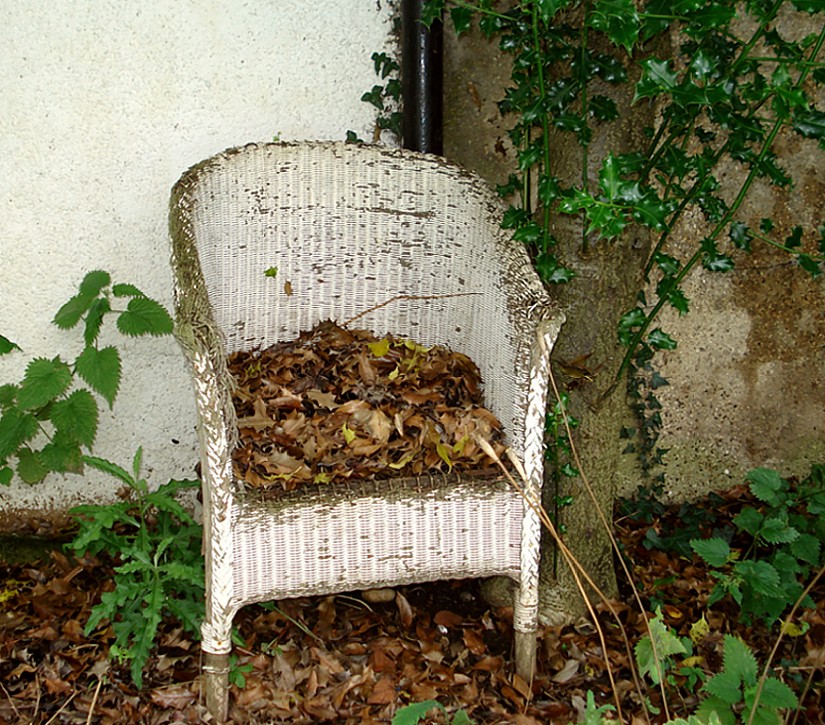
Behind some lovely 1930s flats off Hollow Lane by Windmill Hill in Hitchin, is an unloved and unwanted wicker Lloyd Loom type chair. Now forgotton, it sits covered in leaves, in weeds and next to some holly and ivy. How hauntingly beautiful. A serendipitous find on my walk home from a good day at work.
Orange Tree Grille
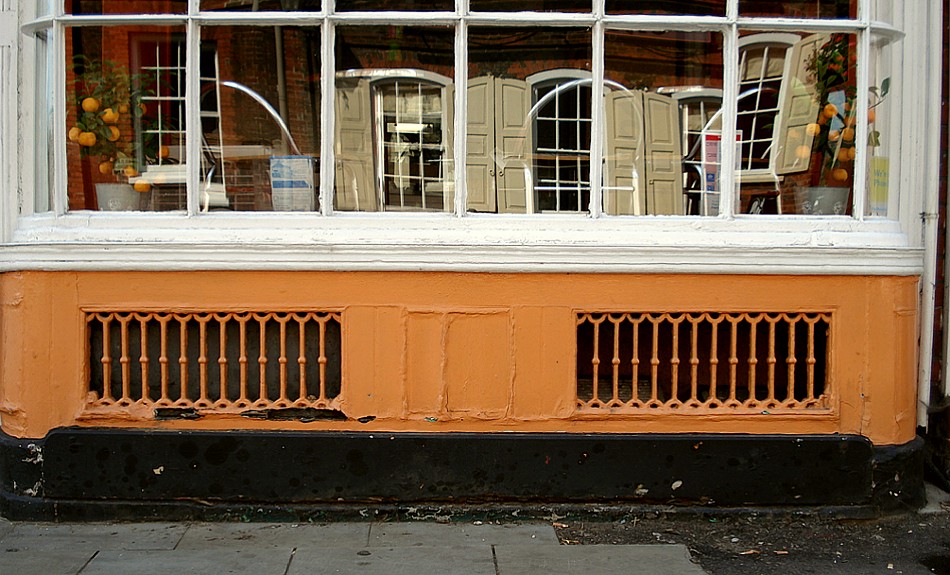
The Orange Tree Sandwich Shop on Sun Street has a wonderful decorative grille on the front of it. The business is one of two in a nice three storey red brick c1800 building. This was The Paternoster & Hale Printing Office, originally Paternoster’s Bookshop and Stationers. They amalgamated with Hale in Bucklersbury and became known as Paternoster and Hale and then became a printers. (It printed the Hitchin Advertiser newspaper.) The raised lettering ‘Printing Office’ can still easily be seen on the top third of the building.
St Mary’s Church Font Cover
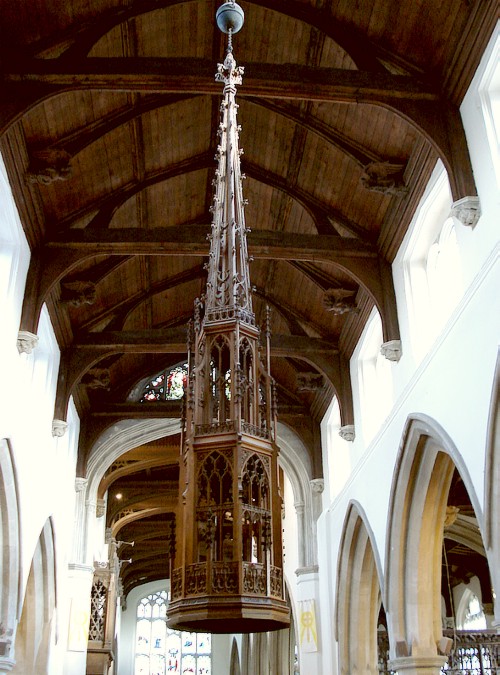
St Mary’s Church in Hitchin is blessed with a beautiful font cover (Pictured above) Font covers were originally used from 1236 onwards (Ordered by Edmund, Archbisop of Canterbury) as a protection from Sorcery. (“Fontes baptismales sub sera clausi teneantur propter sortilegia”) Some have plain ‘lids’ over the stone fonts or like this one above, very ornate and raised by a cable and pulley system and sometimes counter weights. A lot are kept in this raised position and others actually lowered over the font and only raised for Baptisms. Some font covers did survive the Cromwellian destruction. These iconoclasts were opposed to any ornamentation, decoration or statues. Other font covers are Victorian copies of earlier originals. Whether it is an original or a copy, it is a welcome addition to the church ‘experience’.